CATCHING CATS ON PAPER: An Interview With Cathren Housley – Illustrator of The Christmas Cats

Nancy K. Wallace

Hi Cathren, it seems strange that though we produced The Christmas Cats (Pelican Publishing, 2011) together we have never met! I feel as though I know so little about you and the illustration process, I hope you can fill in some of the blanks for me and our readers. When did you first think you would like to become an artist?

I never actually thought that I would like to become an artist – Iust began doing it. I remember drawing things with my eyes before I laid pencil to paper. Other people would comment on the things that I created and that was how I got the idea it was something not everyone did or was drawn to. My understanding of what it meant to be an artist changed as I grew older and began to realize the difference between pure self-expression and producing art for a specific purpose, under deadlines. I became a commercial artist because I needed to pay the bills and I didn’t have a degree or training in anything else that people would pay me for.
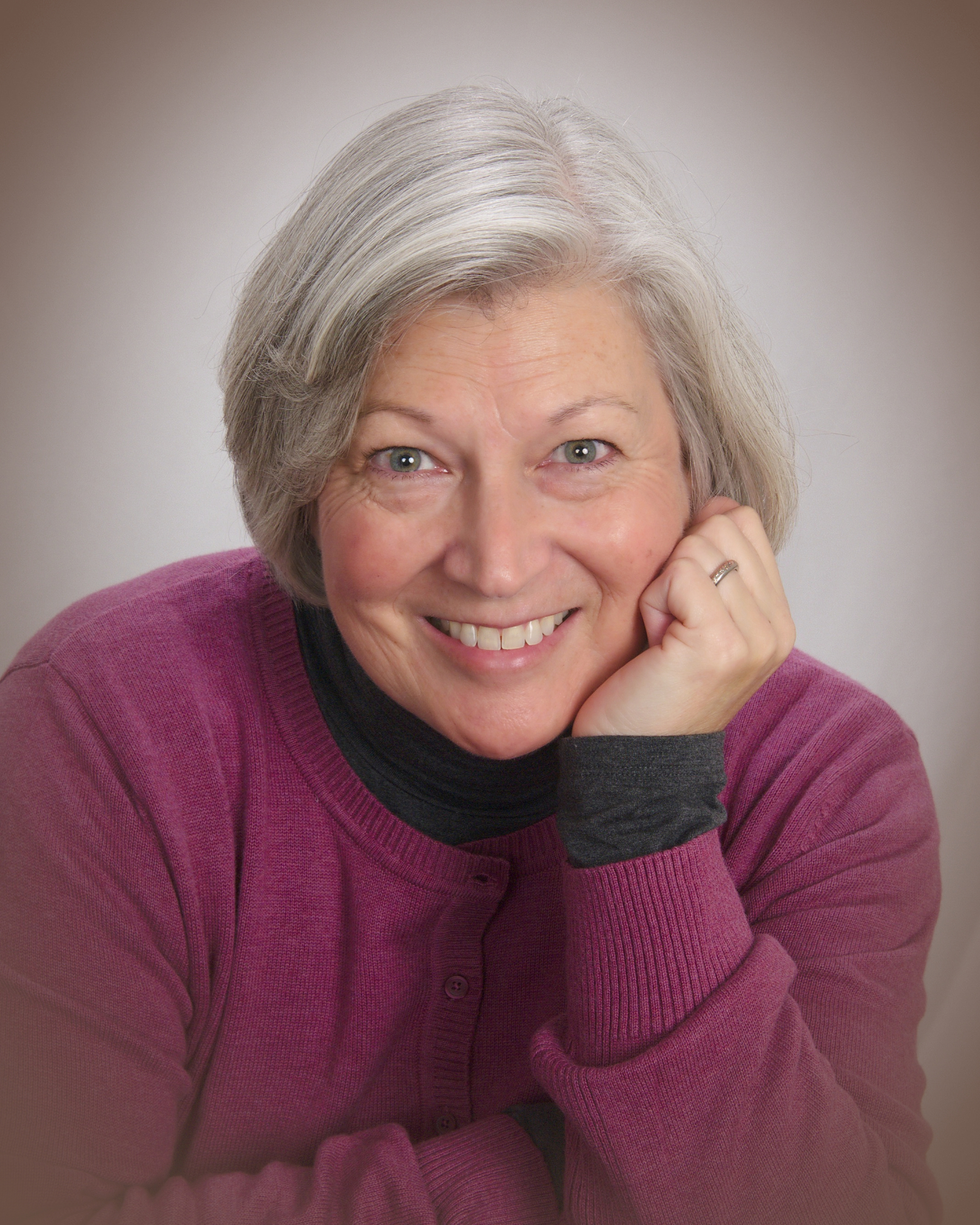
Cathren Housley

Does artistic talent run in your family?

My great grandmother was a painter. She was an amateur but did some very Dutch influenced oils. My father had abilities to draw but never developed them. He really wanted me to be an artist.

It is always a bonus when you have your family’s support! What formal training do you have in art?
I went to four different colleges in my 20’s, but never graduated. I took drawing and intro to studio at all of them- S.U.C. at Brockport, NY, S.U.C. at Potsdam, NY, and the University of Buffalo. My entered my fourth school, RISD, at age 26. I was a sculpture major, but dropped out early in my junior year. I began a freelance multi-media career in RI that went all over the place. I finally went back to RISD when I was divorced and in my 50’s, and graduated in 2008 with a certificate degree in children’s book illustration, the best investment of time I ever made.

I actually had a minor in Art in college but my talents are limited to making bulletin boards and painting scenery! I’m sure you have also had life experiences that have enriched your talent.

Interestingly, catastrophic illness and injury have had more of an effect on my work than anything else. My natural energy has always been intense and somewhat scattered; but when I get physically flattened, it puts me into a frame of mind where everything becomes very basic. It’s a good state of mind in which to learn and focus.
I’ll share a secret with you here that I never told our editors at Pelican. About two weeks after I got my contract for The Christmas Cats, I took a 95 lb Malamute for a walk one morning and the dog lunged and ripped my arm out of the socket. A tendon was torn off the bone and my rotator cuff was damaged. Doctors told me that if I didn’t forgo the book and have surgery I would never regain full use of the arm. The pain was pretty bad and I could barely move the arm, but my biggest fear was that if the publishers knew about my accident, they wouldn’t let me try to do the book! I was absolutely certain I could find a way to do it, although I knew no one else would believe it. So, I hid my injuries from Pelican and went ahead and did the book. When my arm took a turn for the worse once I started the finished art, I just couldn’t admit defeat, so I pulled out all the stops and did nothing but physical therapy and the book. I got up 2 hours before I began to work and did yoga and meditation. I used creative visualization to transform the burning pain in my arm into “creative energy from the universe buzzing through my arm.” It made the sensations tolerable and my chiropractor and acupuncture clinic supplied additional therapy to keep me going. 

But here’s the important point- I was so limited that I was forced to come up with new ways to get the illustrations done. I really pushed myself to develop creative solutions and techniques that opened a whole new direction in my art. As far as the experience goes, my ‘tragedy’ turned out to be a catalyst for creative development.

After I finished the book, my arm was in pretty bad shape, but I have a daughter-in-law in Taiwan who is a very good physical therapist, and they are miracle workers there with injuries. I flew over after the last revisions and spent several weeks at a clinic in intensive therapy. I’ve had to do yoga and physical therapy on my own every day to continue the healing, but now, two years, later I have regained full use of my arm again. I can even rock climb again. After all that has happened, I’ve come to feel that there is no problem I can’t surmount if I set my mind to it.

That is an awesome story, Cathren! I can’t believe you were able to turn out those beautiful illustrations while you were so badly injured. I think that kind of experience might have worked in reverse for me. If I get it sick or hurt my creativity goes out the window. I am so glad you were able to work through that! Now, I know The Christmas Cats wasn’t the first book you worked on. What was the first book you illustrated?

My first book was an ebook version of Jemima Puddle Duck, originally written and illustrated by Beatrix Potter. It was kismet- Beatrix has always been a hero of mine and we happen to share the same birthday!
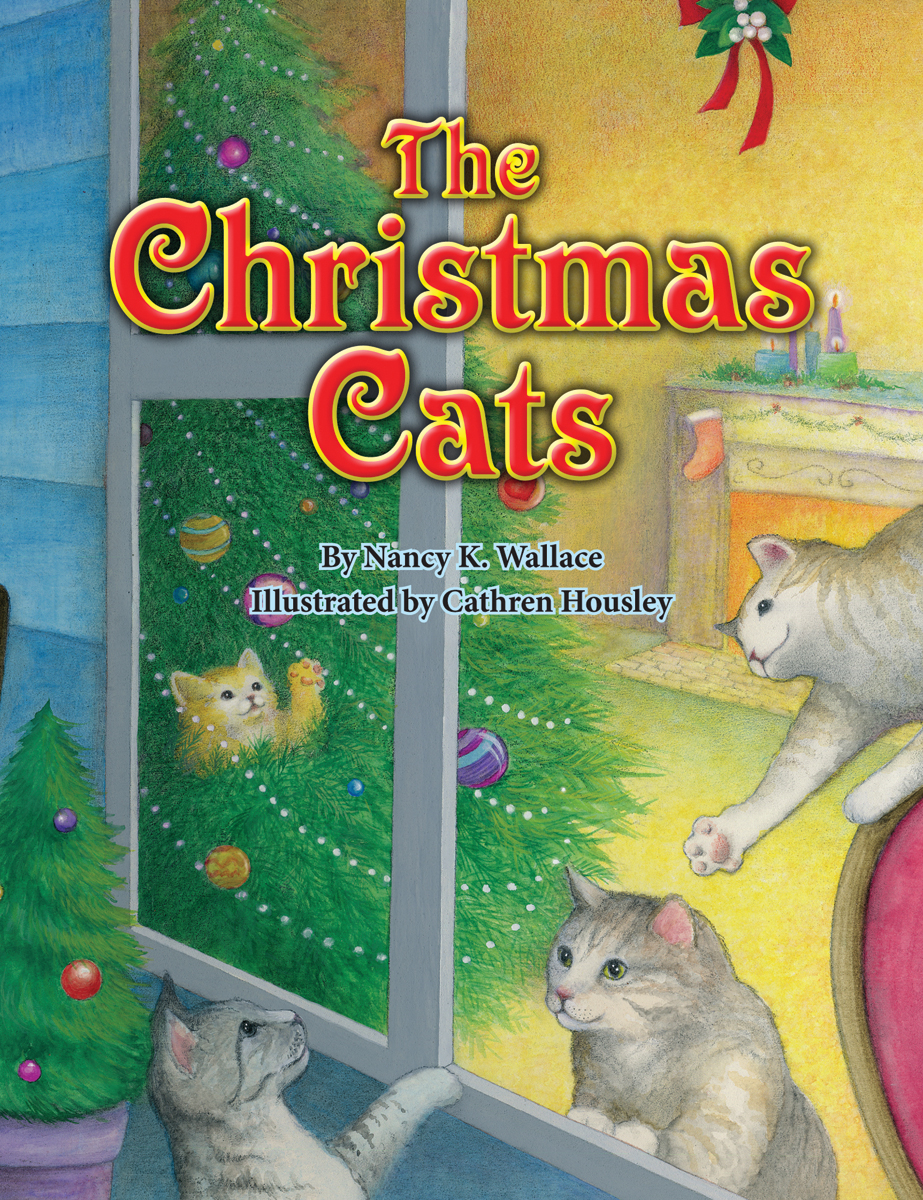
The Christmas Cats

After Pelican indicated an interest in The Christmas Cats, they told me they were sending it to an illustrator. I’m assuming that was you. What kinds of things do you consider before taking on an illustration assignment?

As you can tell from my story, I was so excited at the idea of doing a book about cats for Pelican, that all I considered was how to get them to finalize the contract before they changed their minds. The established publication market was very difficult to break into at that point and I was thrilled to have an opportunity in my area of greatest interest.

Was there anything in particular that attracted you to The Christmas Cats? The story was based on an incident when my daughters were younger, so of course, it is very personal to me.

I thought that the story was very sweet. The book also gave me an opportunity to portray cats at every level of activity- from curled and purring, to hurling themselves down a flight of stairs! The antics of the kitties were so entertaining that I found myself laughing and talking to them as if they were real. I used to fear for my sanity when I did this, but I’ve since discovered that it’s an occupational hazard with many children’s book artists – we all end up carrying on conversations with the critters we draw.

I sometimes find myself doing that with the characters in my books. It must be part of the creative process! What do you enjoy most about illustrating animals?

I can feel the energy of animals when I create them on paper, and I like that.  I love their pure uninhibited expression of every impulse and emotion. I had many, many cats, and several dogs, when I was growing up. They are dear to my heart.

I love animals, too. I can’t imagine being without a cat. Okay, so who decides which scenes are illustrated in a book – the illustrator or the editor?

I think that varies from situation to situation. The two ebooks I did for MeeGenius had a very specific guidelines stating which scenes they wanted, along with the exact number of characters and objects that were in them, because they intended for children to be able to count.

In the case of The Christmas Cats, Pelican simply said to me- “send us the sketch layout when you’re done with it.” I was not told what to do other than that my pictures should portray the characters and the actions of the story. I was surprised! I thought that they would give me far more guidelines from the start. But once I turned the sketches in I quickly found out that they saved all of their criticisms and suggestions for the finished sketches, not the initial ideas. It’s only in school and critique groups that illustrators get the luxury of pointers and input before we hand our projects in.

I remember how excited I was to see the first rough sketches of The Christmas Cats! What medium did you use for those first sketches?
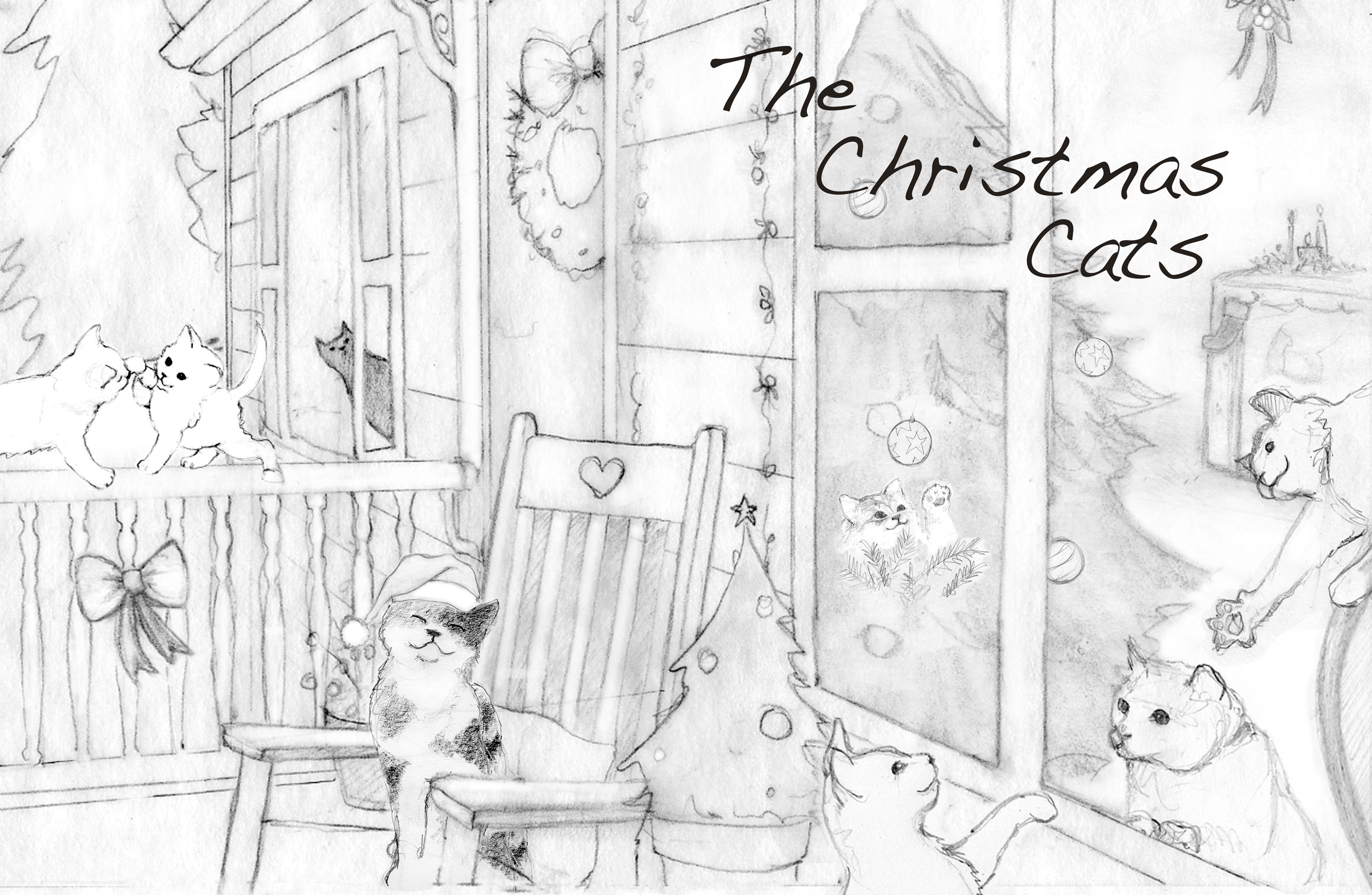
rough sketch

I always sketch in charcoal or graphite and then scan images into Photoshop and manipulate them in layers. In the past, I worked on many layers of ever-shifting tracing paper, but Photoshop is much less messy and adds the ability to instantly scale or skew drawings in seconds. I love Photoshop.

Can you explain the process between a rough sketch and a finished color illustration? What medium did you use for the final illustrations?

Everyone has their own process going from sketch to finish- I usually use transfer paper and trace outlines from the sketches onto gessoed illustration board. I develop the layers of color and detail from there, using water color, gouache, colored pencil and sometimes acrylic, ink or charcoal. Since The Christmas Cats, I have added a number of computer techniques for enhancing illustrations and using collage techniques. I always do the basic illustrations by hand… but the computer allows me to experiment and change my mind, take the image further.

Did you work through the illustrations in chronological order or did some scenes appeal more to you to start with?

Pelican wanted the cover first for The Christmas Cats, so that’s where I started. I generally illustrate pages in order because I can feel the story develop that way. It helps to create a flow in the narrative of the pictures. But in my third book, Winston the Water Dog by Mary Korr, there was a mix of black and white, hand tinted dream sequences and illustrations that were full color throughout the story. So I did all the dream sequences first, to keep the styles consistent and distinctly different.

What was the timeframe from start to finish for our book?

I was given a time frame of four months for The Christmas Cats when the contract was sent to me. But it was nearly 2 months after that before the text was finalized and I got the go-ahead to develop sketches. By the time I started the finished illustrations, I would have had only a month to finish the art if I kept to my original time frame. Naturally I had to ask for an extension; the finished art took about two and a half months, and then the editing began.

It was several months after I had signed my contract before I knew who was illustrating my book. Then, any communication between us was through Nina Kooij our editor at Pelican. Why do you think illustrators and authors aren’t encouraged to speak with each other during the illustration process?

I think that publishers understand the temptation that authors have to be involved with the art. The company already has a trusted professional staff to handle art direction and editing. An over-abundance of input can pave the way to mud and madness, so I think this is why writers are banned from the mix. But Nina did pass along one or two suggestions from you during the sketch phase, because she thought they were good ones.

Yes, I did send a list of the actual cats’ colors. I have a PowerPoint of my daughters’ cats that I take with me for school visits. The kids enjoy matching them up with the cats you drew in the book. Oddly, enough your illustrations included many things about my house that you had no way of knowing! The house in The Christmas Cats looks very much like mine and the porch has the same gingerbread trim. In the book, the kitchen has a checkerboard floor and the hall into my kitchen has a floor just like it! What helped you form an image of what the house should look like?

I didn’t know that until you told me! But it’s not the first time that has happened. When I am creating and another person is involved, I develop a sort of link to them. Sometimes when I’m working, certain details or images pop into my head for no reason and I have to use them. Later, I will hear: “that looks just like the sofa in my living room! And the same plants. How did you know that?” I didn’t, and I’ve never been able to explain it, but there it is.

That is so neat! I just got to see the illustrations last week for a new series called Abby and the Book Bunch that I wrote for Magic Wagon and a very similar thing happened there. You illustrators must all have ESP! What new projects are you working on now?

I am co-writing and illustrating a series of children’s books with Stacy Rubinowitz, about a tiny black dog – The Adventures of Rubi Star. More books about animals! I am also working with a clinical psychiatrist to develop a psychology board game that is intended for use in couples’ therapy. And I just received a grant from the Rhode Island State Council on the Arts, to do a series of picture book workshops in the public libraries. It’s going to be a busy year.

It sound like you are in demand and that is a good thing! I hope we have the chance to work together again, Cathren! Thank you so much for agreeing to this interview. I feel as though you have given me, and a lot of other authors, a much better understanding of the illustration process!

I would love to work with you again too, Nancy. I only hope that we can include your new cat, Emma Godzilla, in the next book.
I’m actually working on a book about Emma! Sometimes she’s a really bad cat but I love her anyway. That’s why we call her Godzilla! I’d love to have you illustrate her some day!
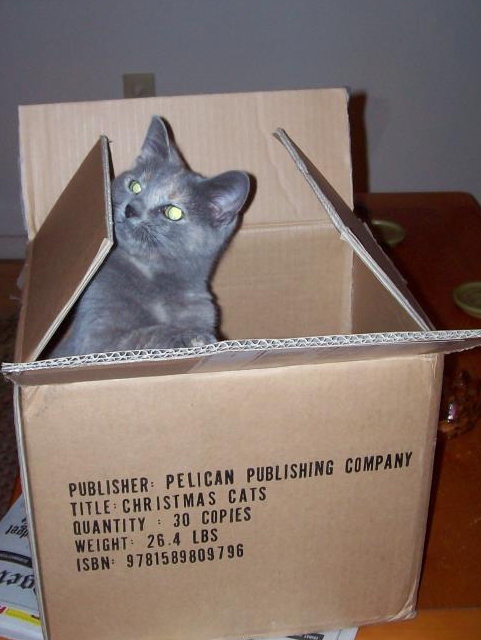
Emma

Posted in Uncategorized | Tagged , , , | 3 Comments

Storytellers Weave Their Magic

Ellwood City’s 11th Annual Storytelling Festival on Sat. Sept 15th, featured five professional storytellers, horse drawn trolley rides, balloon animals, games, wandering minstrels, cookies, popcorn and cotton candy!

I realized after scheduling their appearances, that this year all of our storytellers were men. That happened by chance not design, but it warmed my heart to see the energy and love that these men put into their efforts to entertain our kids and their families! Marc Harshman, Poet Laureate of West Virginia, mesmerized the group with his charming demeanor and flawless delivery. Alan Irvine’s Louisiana drawl always adds a subtle hint of mystery to his stories and draws the adults into his tales, too. Tim Hartman is an irrepressible kid-magnet, changing his facial expressions and voice to suit his characters, and tripping over his stool to make the kids laugh. He left us all wanting more! Ronald MacDonald followed him. What an amazing storyteller he is! The kids hang on his every word. And finally Bill Pate, musician extraordinaire, finished the evening with ghost stories around a bonfire. First we howled along with his version of the Werewolves of London. Then, he passed out rhythm instruments and had the kids marching around the fire to the beat of his drums, the flames flickering on their faces.

Storytelling touches a primal chord in all of us. This last Saturday for one afternoon and evening, texting, iPads, and TV were abandoned for a performance art as old as man himself. We sat beneath a cloudless fall sky, under arching tree branches, and listened to five amazing men. Finally, as the sun went down, jackets were buttoned up, as the temperature dropped and everyone gathered around the bonfire as the flames flickered and crackled. It was an amazing day and I am so glad I was part of it!

Posted in Uncategorized | Tagged , , , , , , | 3 Comments

I’m stepping away from my usual role as book reviewer to welcome Jo Marshall for an author interview! Jo is the creator of a marvelous series called Twig Stories! Not only has she created a unique group of characters in her wonderful books but she has chosen to highlight pertinent environmental issues as well!

Jo, I’m a firm believer that our life experiences heavily influence our writing. What specific events and incidents led you to write Twig Stories?

We moved a lot when I was a kid, throughout the Southwest and Nevada, but wherever we lived I found wonderful trees, and I climbed every one – gigantic oaks in Texas, prickly mesquite in New Mexico, huge grapefruit trees in Arizona, and towering pines in the Sierras.  I can still feel and smell the bark of each one.  Of my six siblings, I was the only one brave enough to climb to the very top of every tree. I remember being perched at their tip, and swaying on the branches with the wind.  I always loved trees.

Yoho Kicking Horse Canyon in British Columbia, Canada, had a magnificent forest, and I wanted my young daughter, Ali Jo, to experience it as I had when I was young, so in the summer of 2010 I took her to see Kamloops, Banff, Lake Louise, and Jasper in Alberta.  I was stunned by the extent of bark beetle damage inflicted on the forests.  Thousands of trees were dead or dying.  When I investigated the reasons, I was saddened to learn entire forests are lost because pine beetles weren’t dying off in the winter months as they had before.  It was a consequence of steadily warming temperatures, or climate change.

My daughter was studying climate change at that time in 4th grade, so we learned about these impacts together.  I remember feeling it was incredibly unfair that our generation should place the poor environmental choices we made on the shoulders of our young children.  We seem to expect they will be able to mend the world we damaged.  During this time, Ali Jo and I dreamed up silly adventures about stick creatures battling climate change.  So it turned out, trying to help her not be overwhelmed by a changing world was my catalyst to create and write the Twig Stories.

Your appreciation of nature is so evident in your writing! Where did your love of the outdoors originate?

Oh, good heavens, I’m one of seven kids, and our parents were teachers in impoverished schools. We were poor, too, and camping was a natural lifestyle for us. I was running wild in the woods as soon as I could walk, and considered forests to be my frontier forts and Treasure Islands.  In the old days, teachers had three months off during the summer, so we’d pack up our truck, and head for every National Park within driving distance.  Standing in Carlsbad Caverns or beneath a thousand-year-old sequoia when you’re only five years old is pretty awesome.   My love came from incredible, breathtaking encounters with nature.

Most authors have special books they treasured as children. What books inspired you as child?

Mary Norton’s The Borrowers series was my absolute favorite. I read her stories countless times, along with Winnie the Pooh by A.A. Milne.  Irving Stone’s Men to Match My Mountains about the opening of the West was a huge influence. It was the first nonfiction book I read with characters and stories as fantastic as a novel.  I also loved Mark Twain’s Roughing It, especially when he wrote about Lake Tahoe and Virginia City.

For some of us, writing is a lifelong dream. Have you always wanted to write children’s books?

No, not at all.  I’m still surprised I am.  I only started writing Twig Stories for my daughter, Ali Jo.  We wanted to remember all the funny stories we made up about Twigs fighting climate change, and share them with other kids.  We also wanted to find a vehicle to donate more to conservation nonprofit organizations.  I always thought I would write a book when I’d finished living my life, and envisioned writing thrillers or mysteries.  So, I created Twig Stories adventures with thrills and puzzling twists.  Now I love writing for kids because of their response to fantasies intertwined with nature.

I grew up loving a lot of the classic children’s books in my grandfather’s library. The pictures in your books remind me a little of some of the fairytales Arthur Rackham illustrated.  How did you select an illustrator? How much input did you have regarding the illustrations?

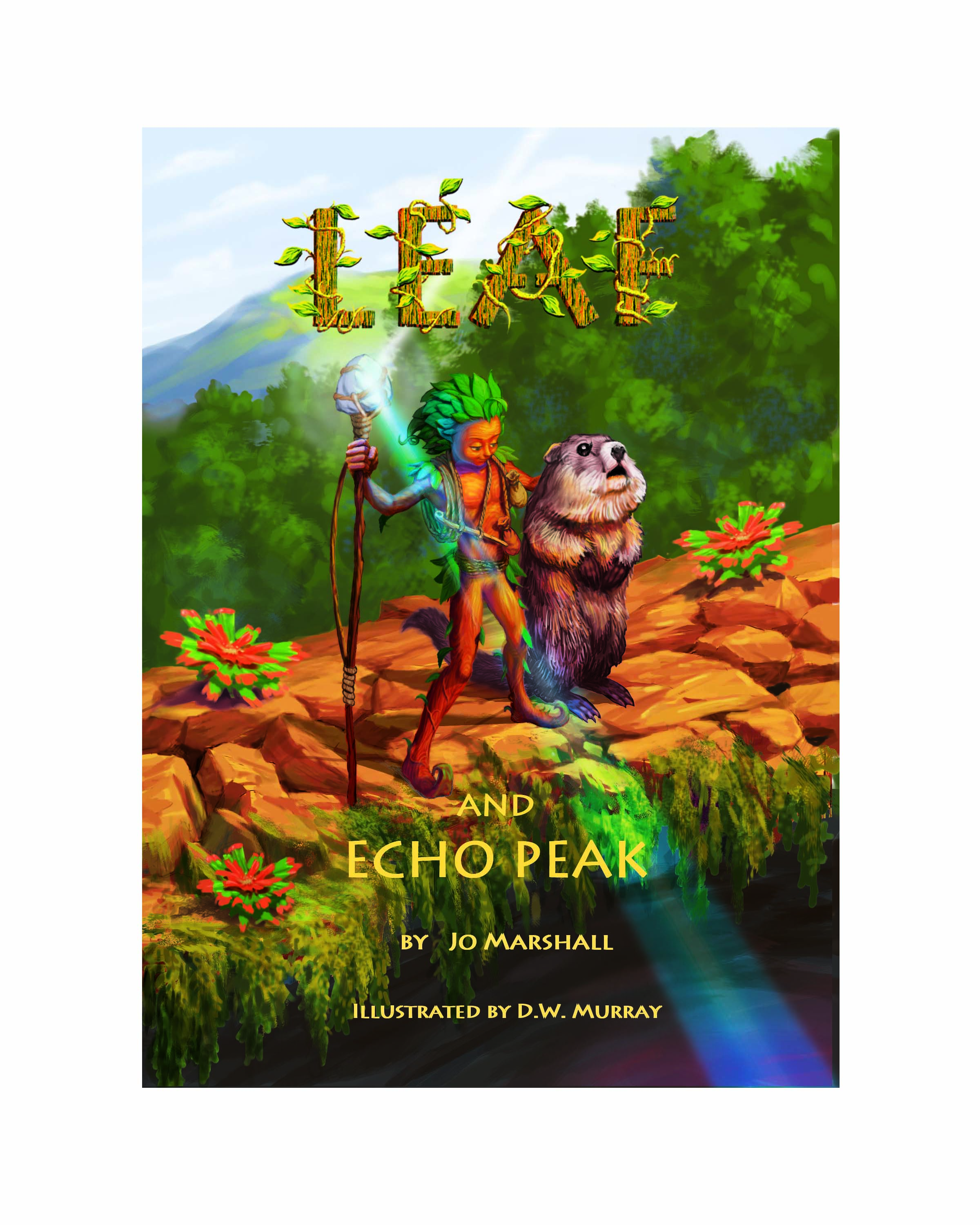
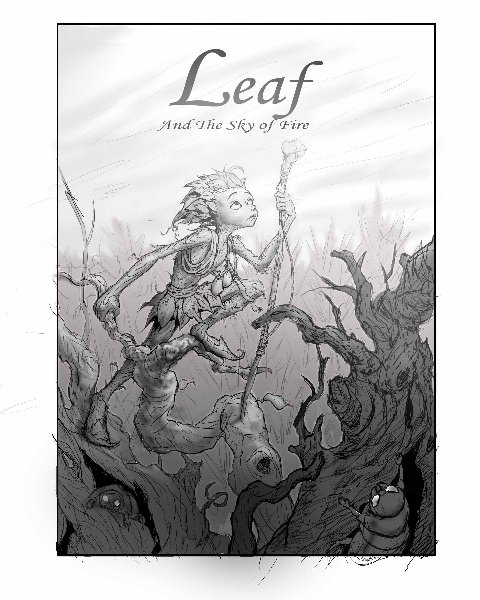
Yes, that is very flattering, and I can see the comparison.  Being an indie can sometimes be all about having control over your own creation.  I withdrew Twig Stories from consideration for publication by traditional houses because they wanted to take 2-4 years to publish the stories, and none would guarantee my choice of an illustrator.  So choosing David meant he would be more a collaborator for the stories than simply a wonderful artist responding to my requests.   Once I made the decision to publish on my own, I sent requests to illustrators with a short description of the main character, Leaf.  I asked if they were interested in doing the entire series because I wanted art consistency from book to book, and what impression did they have for a Twig? I was really surprised with some of the odd characters coming back, not to mention the complicated contracts I’d have to sign.  David had published two books, The Majesty series, so when I contacted him about his author experience, I also told him about my ideas for Twig Stories. To my surprise, he offered to illustrate the series, and sent me a sketch of his vision of Leaf.  It was fantastic, and Ali Jo and I were just thrilled.  David nailed it.

Even better, David agreed to illustrate the whole Twig Stories series, and he gave me the rights to each sketch and the full cover art.  This way Ali Jo and I can have fun creating puzzles for the website, and using them for marketing.  It was only after David agreed to do the whole series for us that we learned he was a professional, award-winning Disney and Universal Pictures artist, and his screen credits included Brother Bear, Tarzan, Lilo & Stitch, Mulan, Curious George, and many others.

David is so patient and creative.  I give him a description of the a scene – how I see it in my mind; how the action happens in that part of the story – and David comes back with a more awesome vision of the scene than I imagined myself.  He really wants to get each one just right. I love his art.  He uses pen and ink for the sketches, and photo-shops the covers.  The more you zoom in on his art, the more details you see and appreciate.  Ali Jo and I get so excited whenever we see one of his emails pop up, and we know he sent another illustration.

What age group will your books appeal to?

Elementary school kids from 4th grade to 6th seem to get the biggest kick out of the books, although reviewers say the books are for middle-school, which is a surprise to me. Perhaps they think older kids relate to the serious theme of climate change.  Another surprise to me were that teachers and librarians in elementary schools that read and loved the books.  A university bark beetle researcher told me he read them to his 4-6 year olds, and they both enjoyed the stories very much, so it’s great a parent can read them aloud to even younger children.  Of course, I have enthusiastic endorsements from several officers with environmental nonprofits.  Such support broadens the books’ appeal to conservationists.

As a youth service librarian, I moderate three Book Discussion Groups for kids and young adults. Do you have a teacher’s guide to accompany your books?

Not yet, but it’s in the works.  The stories are fantasies and adventures, and it’s easy for a child to be swept into the challenge of a warming world. Yet, many teachers aren’t aware of the climatic events in the Pacific Northwest, such as bark beetle infestations, threatened ecosystems and wildlife, drought-sparked forest fires, and glacial outburst floods.  I’d like the study guides to clearly describe the elements of the natural world impacted by climate change.  The last book, Leaf & Echo Peak, deals primarily with adaptation to change, so the regeneration of life on Mount Saint Helens is the perfect example of this.

Are there any craft or art activities that would compliment a discussion of one of your books?

That’s a very good question.  I had to ask Ali Jo for ideas, too.

Just for fun, Twigs can easily be made from pipe stems. Each Twig Branch in the story originates from a different species of tree, so Twigs can be created while discussing different tree-related characteristics.  Learning about trees is important, I think, especially rare, endangered species like thousand-year-old whitebark pine and yellow cedars.  There is an enormous variety of trees in the Pacific Northwest.

Identifying the ecosystems in the stories that actually exist in the Pacific Northwest is a key element. Drawing or using craft materials to create volcanoes, glaciers, rainforests, and prairies may be fun.  Ali wanted to be sure wildlife would be included in this activity, like the critically endangered spirit bear and black-tailed prairie dogs.

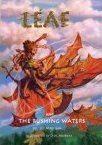
Re-creating beaver dams and ponds on tables (minus the water) with its lodges, and the complexities of its canals and food stores is certainly a group activity. In Leaf & the Rushing Waters a goliath beaver named Slapper builds a mighty dam, and saves Leaf’s home, so that’s pretty cool.

My favorite – issue challenges to student groups to think of solutions to specific climate change impacts. Here are a few ‘how would you do it’ challenges being seriously researched today: 1) save forests from bark beetle infestations, 2) conserve fresh water from shrinking glaciers, 3) protect wildlife and their habitats when threatened by wildfire and flood, and 4) rescue species such as woodland caribou, pikas, and frogs that will go extinct without intervention.

How many books do you envision for the Twig Stories series?

So far we’re doing several four books series for the overall Twig Stories collection. One series is for Leaf about specific climate change and geologic events, and another series is for Fern, Leaf’s sister, and is focused primarily on endangered wildlife in the redwood forests of Northern California and the Northwest. Later, we’ll do a series for the Twig twins, Buddy and Burba, with adventures about endangered marine life on the Olympic Coast.  Of course, I want to have accompanying teacher and student study guides for each series.

Thank you so much, Jo! You given us such a lot of information to think about. What message would you like kids to remember after reading Twig Stories?

I’d like them to recognize beaver dams as natural solutions for flood and drought.  I hope they begin to think about the connection between a warmer world and its impact on vanishing forests and wildlife.  Students need to know adaptation and change because of climate change is now inevitable.  But they can protect key species during this journey into climate crisis, and choose to make of better environmental decisions than we did to protect and save our natural world.

Twig Stories are available worldwide from Amazon.com in paperback and Kindle(Royalties are shared with environmental nonprofits.)

More information about Twig Stories is available at www.twigstories.com                           You can email Jo at: twigstories@aol.com

Publisher’s direct E-store offers 20% discount on paperbacks:

Leaf & the Rushing Waters https://www.createspace.com/3604681

Leaf & the Sky of Fire https://www.createspace.com/3494005

Posted on by fairysockmother | 5 Comments

Exceptional Storytelling CDs!

These three charming collections of folktales by Amy Friedman provide a smorgasbord of storytelling fun, music, and sound!

Tell Me a Story: Timeless Folktales From Around the World

Tell Me a Story 2: Animal Magic

Tell Me a Story 3: Women of Wonder

These CDs will offer hours of entertainment for fun family gatherings, long summer car trips or cozy winter evenings. Listening to stories told aloud captures the imagination, enabling children to visualize the characters and settings, and sharpens their listening skill! Flawlessly written, Friedman’s tales feature vivid imagery, sparking the imagination and allowing listeners to visualize the colorful scenes as the stories unfold, endearing the oral tradition of storytelling to a whole new generation!

The Tell Me a Story CDs are like popcorn – one helping is never enough!

Posted in Uncategorized | Tagged , | Leave a comment

Crocodiles For Kids!

What to Expect When You’re Expecting Hatchlings: A Guide to Crocodilian Parents (and Curious Kids) by Bridget Heos

This innovative approach to crocodilan reproduction has hilarious illustrations and witty text! Kids will love the amazing facts (crocodiles carry up to ten babies in their mouths at a time) and the humorous presentation. This one is a winner!

Posted in Uncategorized | Tagged , , | Leave a comment

Island of Tory – Great Choice for YA Book Discussions

When Arella Cline’s parents die in a car accident, she goes to live with her Aunt Fi on Tory, an island off the Irish coast. Enrolling at a small private school, she is befriended by easygoing Declan McQuilan.  Arella’s love of soccer helps her fit in but she makes enemies, too.  She finds sullen Cannon Fidelous’s attentions particularly disturbing and tries to avoid him. When Arella inexplicably sees shadows and visions, she blames it on grief. Even Aunt Fi begins behaving oddly, painting one watercolor after another of the island’s landmarks and hanging them in Arella’s room. When Cannon warns her that the inhabitants of Tory are not all they appear to be, Arella begins to investigate an ancient prophecy not realizing that her own life is in danger!

Handsome guys, a mysterious island, prophecies, and ancient curses blend perfectly in this skillfully concocted YA fantasy! The misty Island of Tory creates the perfect backdrop for a well potted mystery. The addition of a Discussion Guide makes it a great choice for YA Book Discussion Groups!

Posted in Uncategorized | Tagged , , , | Leave a comment

Writer’s Holiday

Writing must be a disease. I met three deadlines this week and have a weekend free of the hustle and stress of trying to finish a manuscript (or three or four). I could be gardening, painting, or (God forbid) cleaning and I find myself drawn to the computer like a moth to the flame. I can’t turn it off – this obcession to write. Sometimes I feel as though there are little gears turning in my head all the time. Each one is a different project; a novel, a picture book, or an article. Those gears never stop spinning and gathering information. I considered taking a cup of coffee to the porch but the computer lured me in as I walked past. Let’s be frank. I haven’t even made the coffee yet. I just thought about it. I woke up hours ago, trailed down the stairs and was sucked in by the computer before I had breakfast. What do other people do? It’s the weekend, for heaven’s sake, I should be able to stop composing and live a little. Maybe making coffee would be a start in the right direction – it is almost noon.

Posted in Uncategorized | Tagged , , , , | Leave a comment

Kitty Comforts

When one of our barn cats is hurt or sick, all the rest of the cats gather around it in a big heap. They cuddle and snooze together in a giant, communal, Jedi healing trance. Before long, the injured cat immerges restored and comforted. I was the recipient of equally tender care, when I tripped over a flower pot on my porch recently, banging my knees, wrenching my back and bashing my face into a wicker chair. My two house cats met me at the door, as I dragged myself into the kitchen to fumble for my cell phone to call my husband. The cats were anxiously waiting again when I returned from the emergency room, bruised but unbroken. Both Emma and Abby piled on top of me when I sank into the recliner, never leaving my side all afternoon or evening. I appreciated their gentle warmth and affection and am feeling much better thanks to all that kitty comfort!

Posted in Uncategorized | Tagged , , , , | Leave a comment

Write It Down!

Yesterday’s Mother’s Day Brunch seemed to spawn an array of great book ideas! They came one right after the other: characters names, titles, and plots. Every two seconds I was saying, “That’s a great idea for a book!” much to the amusement of my family. Today, I am ashamed to say I only remember one of the things we talked about. I didn’t write anything down and now all those lovely ideas and images have wafted off to settle in someone else’s head. I truly believe that, you know. If you don’t seize an idea and run with it – someone else will. So don’t be like me – write everything down, make a computer file, store those snippets on your Kindle or your Ipad but record them SOMEWHERE! Don’t allow all those wonderful, creative inspirations to end up in someone else’s resume! Oh good, I just remembered a plot from yesterday – see, even blogging is therapeutic!

Posted in Uncategorized | Tagged , | Leave a comment

Friends and Neighbors

I have decided there are subtle differences in the way friends and neighbors are received at my house. My closest neighbor used to drop in a moment’s notice. She didn’t mind stepping over the dog’s dish or sitting beside the clean laundry that was being sorted on the kitchen island. If the cat peered into her coffee cup, it was okay.  I had witnessed the disturbance of daily life at her house, too, been slobbered on by her Doberman and had her horse snort all over me while we talked by the fence. Her children had learned to walk hanging on to my jeans with sticky fingers and my daughters had learned to ride on her horses. We were more than friends, we were neighbors.

Now, I love my friends, too, but I usually have advance notice of their visits. The event is planned – a Friday night movie or Saturday night dinner. There are picnics and antique shopping and going out to lunch. All occasions I look forward to and enjoy. BUT, I make sure the dishes are done and put away before my friends come. I vacuum the rug and dust. If there is time, I put a fresh flower arrangement on the table. The message I am sending is that my house looks this neat all the time. It doesn’t – but I like to pretend that it does for my friends. I suspect they pretend sometimes with me, too.

So, it comes down to this: we need both our friends and our neighbors. Each of them fills a need, giving companionship and comfort in subtly different ways. But if  there is an emergency at midnight, it is my neighbor that I feel free to call. I’ll wait until after 8 am to deliver the news to my friends!

Posted in Uncategorized | Leave a comment